
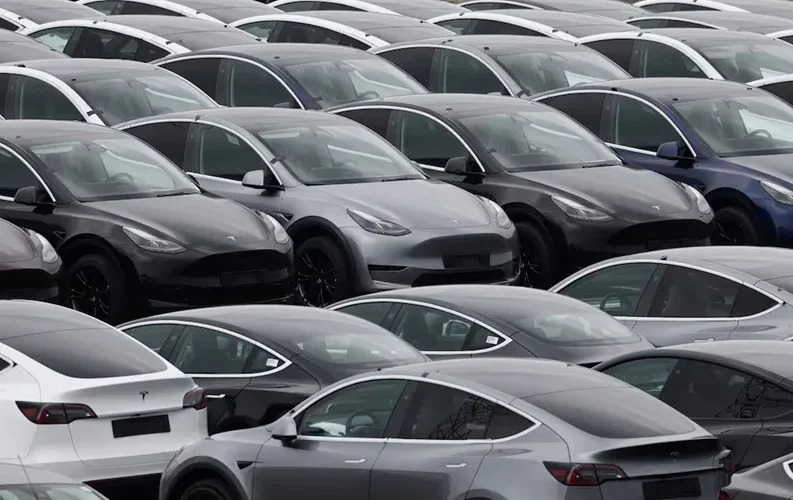
Elon Musk is refusing to let Tesla lose momentum. The electric car giant just announced an ambitious plan to crank out 7,500 vehicles a week at its German factory, a major push to reverse months of sliding sales in Europe.
This isn’t just another factory tweak. Starting in October 2026, Tesla’s Gigafactory Berlin in Grünheide will hit a new high, up from around 6,000 cars weekly right now. That 25% jump could mean roughly 375,000 vehicles rolling out each year if they keep the pace. For a company that has faced tough questions about its European future, this feels like a turning point.
Why Tesla Needs This Boost
The past couple of years have been rough. Tesla watched its European sales drop as rivals like China’s BYD flooded the market with more affordable electric vehicles. Competition heated up, and Tesla’s once-dominant position in places like Germany took a hit. The company even had to cut about 1,700 jobs at the Berlin plant amid the slowdown.
Adding to the pressure were broader market challenges and Musk’s high-profile political moves in the U.S., which some analysts say created uncertainty. But signs of recovery appeared in early 2026. Rising fuel prices from Middle East tensions pushed more drivers toward EVs, while government incentives helped spark renewed interest.
Now, Tesla is doubling down on its most popular European model, the Model Y, and betting big on ramped-up production to meet demand.
Hiring Spree and Big Investments
To make this happen, Tesla is hiring around 1,000 new workers for the assembly lines and turning 500 temporary staff into full-time employees. The factory already employs more than 12,000 people, and this expansion signals real confidence in the European market.
The pace will be intense: one car every 81 seconds. That’s over 1,000 vehicles a day once fully ramped up. Tesla is also pouring nearly $250 million into battery production, aiming for 18 GWh capacity with more specialized hires. Finding skilled workers remains a challenge, but the company seems determined to push through.
What This Means for Drivers and the Industry
For everyday drivers, this could mean more available Tesla models and potentially better pricing as production scales. The move comes at a time when electric vehicles are gaining ground again across Europe. Many buyers who hesitated during the slowdown may now find fresh options waiting.
Industry watchers see this as more than just numbers. It’s Tesla proving it can adapt quickly in a competitive landscape where legacy automakers and new EV startups are all fighting for the same customers. Musk’s willingness to invest heavily during uncertain times highlights the high-stakes game the entire auto world is playing.
The Berlin Gigafactory, Tesla’s only car-making plant in Europe, has always been central to the company’s global ambitions. Launched with big dreams of 500,000 annual vehicles, it hasn’t always hit those early targets. This latest plan brings production closer while showing steady progress.
Looking Ahead
Tesla isn’t stopping at cars. The company continues advancing its Full Self-Driving technology and other innovations, keeping it at the forefront of the EV revolution. This production boost could give it the breathing room to keep innovating without the immediate pressure of declining sales figures.
For fans of electric cars and anyone following the fast-changing auto industry, this is exciting news. It suggests Tesla is far from done fighting — and that the electric future Musk has long promised might be accelerating once again.
Whether you’re thinking about switching to an EV or simply curious about where the industry is headed, Tesla’s latest move shows resilience and ambition in action. The coming months will reveal how quickly this ramp-up delivers results, but one thing is clear: Elon Musk isn’t backing down from the challenge.