
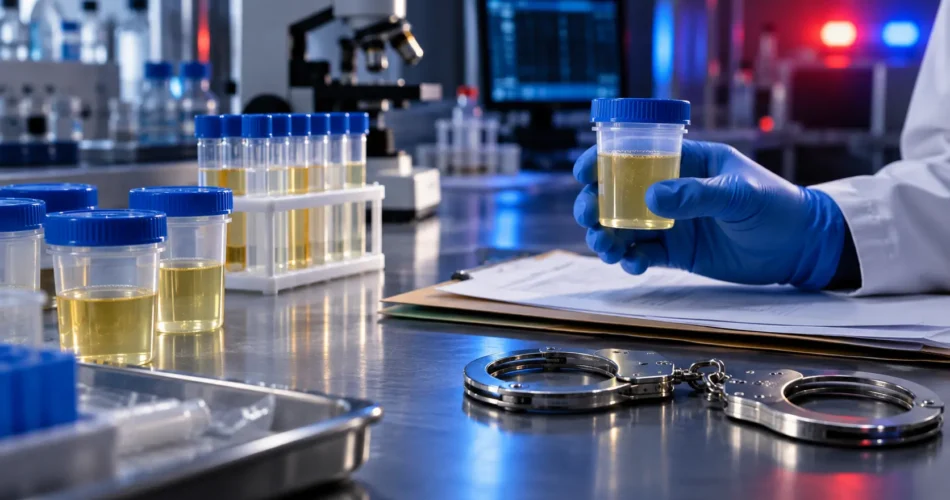
The founder of a Huntington, West Virginia sober living nonprofit is facing federal fraud charges after prosecutors say he and his wife billed for drug-testing work that never actually happened. His name is Raymond “Rocky” Meadows II, and he’s 52. He founded and ran Lifehouse Inc., a long-term, faith-based substance abuse recovery program based in Huntington’s Cabell County.
Meadows was charged by criminal complaint with conspiracy to commit wire fraud. His wife, Helen Crutcher Meadows, 49, now living in Tampa, Florida, was charged with the same offense. A federal grand jury later returned separate indictments against both of them on a charge of attempt and conspiracy to commit mail fraud.
How Lifehouse Was Funded
Lifehouse operated as a sober living community and pulled in expense reimbursements through both state and federal government grant programs. It marketed itself as a faith-based Christian shelter aimed at helping people work toward long-term recovery from addiction.
Helen Meadows worked as the collector supervisor at Lifehouse, employed through a third-party staffing agency connected to a California-based drug testing laboratory that provided services there. Her job involved collecting and processing drug-testing specimens from people in the program.
What Prosecutors Say Happened
According to the criminal complaint, Rocky Meadows conspired with his wife and a third, unnamed individual to falsify and submit timesheets to the testing laboratory for drug-testing work that was never actually performed. The alleged scheme ran between 2021 and 2022.
The details here are pretty specific. Investigators say Helen Meadows routinely billed 32 hours of overtime every week, for months at a stretch. She also allegedly billed for hours worked while she and her husband were on out-of-state vacations together, hours that obviously couldn’t have been spent doing drug-testing work back in Huntington.
As Lifehouse’s director, Rocky Meadows reportedly reviewed and co-signed the employee timesheets before they were submitted for payment. The laboratory issued payments based on those fraudulent billings, then turned around and sought reimbursement from federal and state healthcare programs, meaning taxpayer money ultimately covered the fake billing too.
Part of a Bigger Crackdown
This case wasn’t an isolated announcement. It came as part of the Department of Justice’s 2026 National Health Care Fraud Takedown, a coordinated nationwide effort targeting healthcare-related fraud. The same day the Meadows charges were announced, officials also revealed a separate $120,000 settlement with a Beckley-based sleep lab accused of submitting claims for studies signed off by unqualified, non-physician staff.
The federal Centers for Medicare and Medicaid Services has made cracking down on Medicaid and healthcare fraud a stated priority, and cases like this one seem to be a direct result of that push.
Officials Don’t Hold Back
U.S. Attorney Moore Capito had some pointed words when announcing the charges. He said the defendants viewed West Virginia’s addiction crisis not as a tragedy, but as an opportunity, adding that while families buried loved ones and communities fought to save lives, the Meadows allegedly exploited the system meant to help people, for personal financial gain.
That’s a pretty harsh assessment, especially given that Lifehouse was supposed to be a resource for people trying to recover from substance abuse in a state that’s been hit especially hard by the addiction crisis.
Where the Case Stands
The case is being prosecuted by Assistant U.S. Attorney Jonathan T. Storage with the U.S. Attorney’s Office for the Southern District of West Virginia. Right now, everything against Rocky Meadows and his wife remains an allegation, and both are presumed innocent unless proven guilty in court. Lifehouse itself is reportedly no longer operating.