
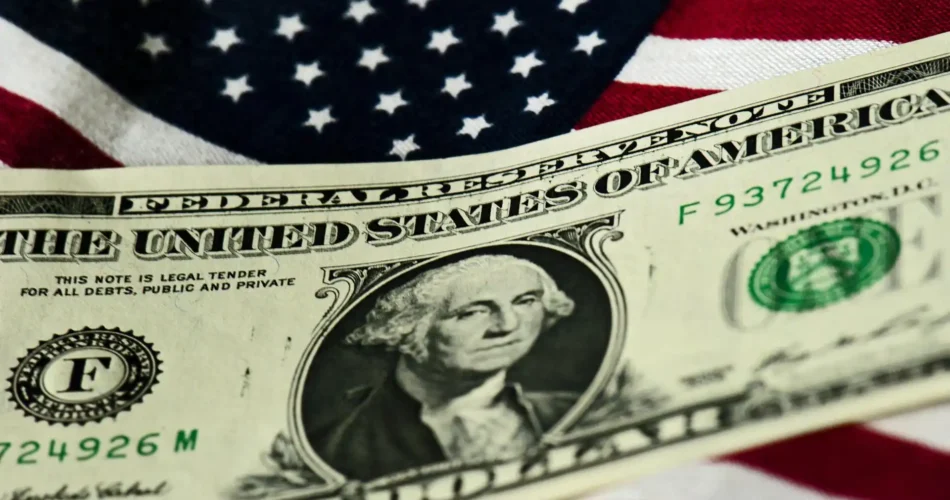
China just told its banks to hold back on US Treasury bonds. The reason? These bonds have been jumping around too much in the market lately. Regulators want banks to limit how much they buy and even sell some if they have a lot already.
This news came from people who know the talks. It was shared quietly with big banks in recent weeks. The goal is to lower risk from putting too much money in one place and from wild price swings. It’s not about doubting the US government or politics—it’s about smart money moves.
Important point: this only hits commercial banks. China’s government holdings stay the same. Those are separate and much bigger.
China’s total US Treasury stash has shrunk a lot over time. Right now, investors in China hold about $683 billion worth. That’s half of what they had back in 2013, when it peaked at $1.32 trillion. It’s the lowest since 2008. China still ranks third worldwide in owning these bonds, behind Japan and the UK.
Some think banks have used places like Belgium to hold bonds quietly. Belgium’s numbers jumped four times since 2017 to around $481 billion. That often includes Chinese money in custody accounts.
If China ever sold off a huge chunk fast, it could push US bond yields way up. That means higher borrowing costs for everyone around the world. It might shake the global economy hard. But experts say China won’t do that. They think any cuts will happen slow and steady. That’s why bond markets have stayed pretty calm so far.
One analyst from XTB, Kathleen Brooks, put it this way: a big sell-off would cause sudden jumps in yields everywhere and mess things up badly. But the market bets China will play it careful, so yields haven’t moved much.
This comes at a time when lots of eyes are on US debt. With talks about tariffs, trade, and global shifts, people watch every move. Some countries in groups like BRICS have started pulling back from US assets too.
For everyday folks, this matters because US Treasuries are seen as super safe. When big players like China rethink them, it can affect interest rates, loans, and even stock prices. Higher yields mean mortgages or car loans could cost more.
Banks in China now face a choice: follow the guidance and spread their money elsewhere, maybe to other safe spots or home assets. It shows caution in a world where markets swing fast.
No one knows exactly how much banks will cut or how quick. But this quiet push adds to the story of changing ties between the world’s two biggest economies. Investors keep watching bond prices and the dollar for the next sign.