
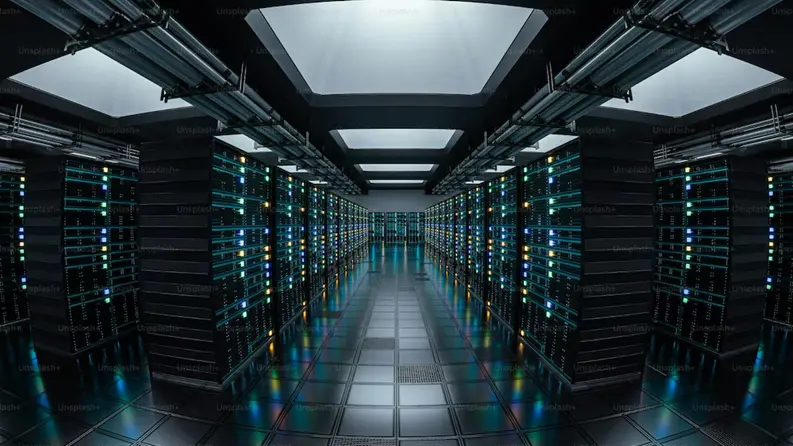
Washington, Oct. 5, 2025 – The United States is taking a big step to meet the huge energy needs of artificial intelligence. The government wants private companies to build and run AI data centers powered by nuclear energy at two old nuclear sites. This plan could help keep America ahead in tech and clean power.
The National Nuclear Security Administration, or NNSA, made the call for ideas. They picked the Savannah River Site in South Carolina and the Oak Ridge Reservation in Tennessee. These places once helped build nuclear weapons during the Cold War. Now, they could become spots for cutting-edge AI work.
The goal is simple: AI data centers use a ton of electricity, and nuclear power can give steady, green energy without as much carbon. The Department of Energy sees Savannah River as a top spot for this. They set aside over 1,200 hectares of land there for new buildings and power plants. Think next-gen nuclear reactors right on site, plus smart ways to store energy and save water.
NNSA boss Brandon Williams is excited. He said this is a “great example of public-private collaboration that speeds up science to fix today’s problems.” It also boosts U.S. leads in AI and energy setups.
Companies that want in have to handle everything – from starting the build to shutting it down years later. They need to prove their plans work well, cost okay, and follow all rules. Plus, they must sort out how to connect to the power grid on their own.
This isn’t just a government thing. In Texas, a firm called Fermi America hired South Korea’s Hyundai to design a nuclear setup for private AI power. Work starts next year, with the first reactor running by 2032.
The Savannah River Site has changed a lot since the 1950s. Back then, it made stuff for bombs. Now, it handles waste cleanup and research at its national lab. Turning these spots into AI hubs shows how old nuclear lands can fuel the future.
Experts say this could spark a wave of clean tech jobs and keep data centers running without blackouts. But it also raises questions about safety and costs in nuclear restarts. Still, with AI growing fast, this move feels like a smart bet on tomorrow’s power needs.
The U.S. hopes to lead the world in mixing AI with green energy. If it works, these sites could light up the next big tech wave.