
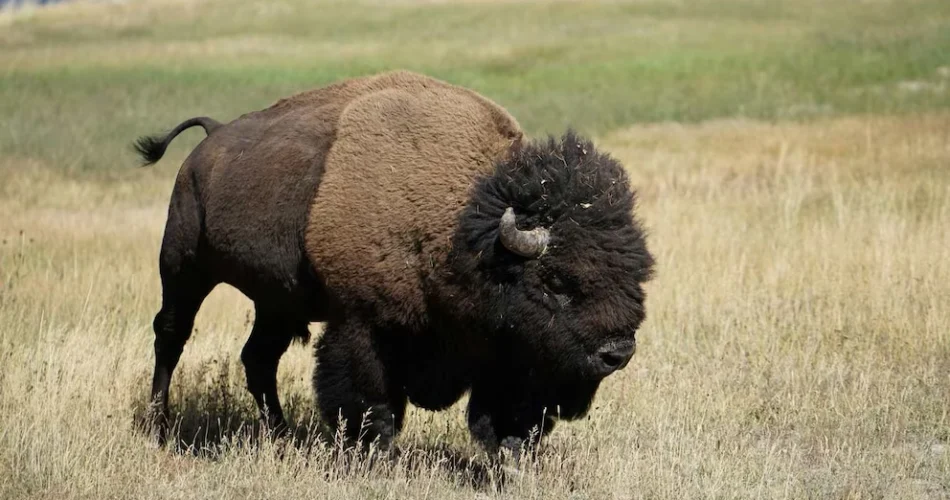
After more than two centuries away, bison are walking on Illinois prairies once again. Six of these powerful animals—three males and three females—stepped onto Burlington Prairie in Kane County last month. This marks a big moment for nature and for the people who have waited so long to see them back home.
The release happened at Burlington Prairie Forest Preserve, about 60 miles northwest of Chicago. A crowd from the Santee Sioux community gathered at sunrise. They brought drums, sang traditional songs, and cheered as the bison came out of a large trailer. It was an emotional day full of meaning.
Tribal elder Robert Wapahi shared his thoughts with reporters. He said it’s different when you welcome them back home. “That’s their home, not mine.” His words captured the deep connection many feel to these animals and the land.
The bison started in a small corral to get used to the winter prairie. They will move to a bigger fenced area this spring. There, they can roam more freely and help restore the native grasslands.
This return comes after a long history. Long ago, millions of bison roamed North America—around 35 million at one point. But by the 1800s, hunting and changes to the land cut their numbers down to just a few thousand. In Illinois, they vanished completely for about 200 years. Without them, the prairies lost a key part of what kept them healthy.
Bison do amazing things for the land. Their heavy hooves press the soil just right to stop one plant from taking over. Seeds stick to their thick fur and spread around. Their dung acts like natural fertilizer. They even dig wallows—shallow pits—that hold water better and help the ground fight drought. Experts compare their role to what beavers do for rivers. They shape and improve the whole ecosystem.
The American Indian Center of Chicago leads the care for this herd. They are the oldest urban Native American cultural group in the U.S. They work together with Kane County Forest Preserve staff and a herd manager from Ruhter Bison. It’s a partnership that honors both the animals and the cultural ties to the land.
One person at the ceremony put it simply: “It’s really important and wonderful to see another herd that’s taking flight in a good way.” That feeling sums up the hope everyone shares.
Right now, the total bison population in North America is around 6,000—still far from the old numbers. But projects like this one show slow, steady progress. Each new herd brings back balance to the prairies and hope for the future.
People in Illinois can feel proud of this step. The bison are back where they belong, helping the land heal and reminding everyone of the strong links between nature, history, and community. It’s a story of return that feels good to hear.