
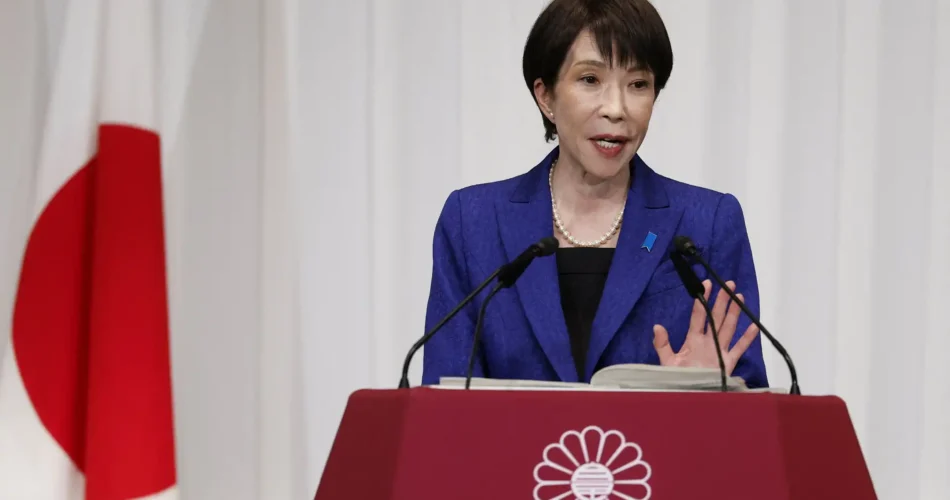
Japan’s Prime Minister Sanae Takaichi just made a big promise come true. After her party’s huge election win, she confirmed the government will suspend the 8% tax on food for two years. This move aims to help families with rising prices and make life a bit easier.
Takaichi spoke on Monday, February 9, 2026, right after her Liberal Democratic Party swept the vote on Sunday. They grabbed a historic number of seats—around 310 to 316 in the lower house. That’s one of the strongest results ever for the party since it started in 1955. With this power, she can push changes without much pushback.
She called the tax break a “long-cherished dream.” In her words, it’s time for a “responsible and proactive” way to handle money. She wants to start it as soon as possible. No new debt to pay for it, she said. Instead, they’ll talk it over in parliament and look at other ways like cutting some subsidies or using non-tax money.
The idea helped win votes. Many people feel the pinch from high costs. Food prices have gone up, and wages haven’t kept up. Suspending the tax means cheaper groceries for everyday folks—think rice, veggies, fish, and drinks. It’s a quick help while they work on bigger fixes like a refund system later.
Markets reacted fast. Stocks hit record highs. The yen got stronger after some strong words from officials. Bonds bounced back too. Before the election, people worried about how to cover the cost—Japan has the world’s biggest debt among rich countries. That fear caused bond sales and a weak yen. Now the win calmed things down.
But questions remain. The tax cut could cost about five trillion yen a year—that’s around $32 billion. That’s as much as Japan’s whole education budget. Some worry using foreign reserves (worth $1.4 trillion) might cause trouble, like selling US bonds and upsetting global markets. If bond yields rise, debt gets more expensive. A weaker yen could make imports cost more and push up prices again.
Analysts see it as a shift. Takaichi wants to move away from tight spending rules that held things back. One expert from BNP Paribas said the win boosts chances for this tax cut. Another from Pictet said she has people’s support but needs to win over markets too. If things go wrong, higher food costs from a weak yen could hurt the very families she wants to help.
This fits her style. She’s known for strong views on security and economy. The election gave her a clear go-ahead. Opposition parties that wanted deeper cuts lost big. Now cross-party talks will set the timeline and details—maybe by summer.
For regular people in Japan, this could mean real savings at the store soon. It’s a popular idea—polls show many like it. But success depends on smart funding without causing bigger problems.
The world watches too. Japan’s economy matters a lot globally. This bold step after a massive win shows Takaichi means business. It could set the tone for how she leads next. Exciting times ahead for Japan—and for anyone following how leaders tackle high prices and big debts.