
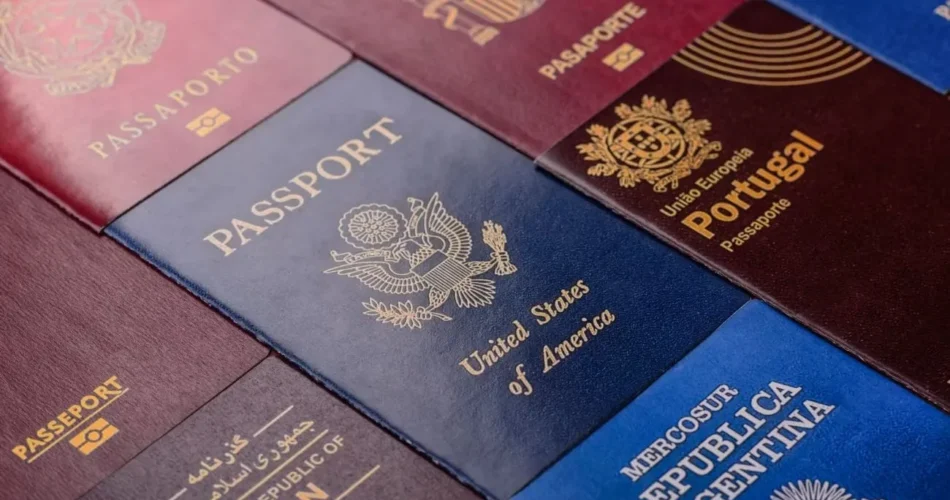
Singapore holds the crown as the world’s most powerful passport once again in 2026. It lets holders visit 192 places without a visa. That’s according to the latest Henley Passport Index, which came out on January 13, 2026. The index uses data from the International Air Transport Association to rank 199 passports by how many of 227 countries and territories you can enter visa-free.
Japan and South Korea tie for second spot. Each gives access to 188 destinations. It’s a strong showing for Asia, which has led the top ranks for years.
Five European countries share third place. Denmark, Luxembourg, Spain, Sweden, and Switzerland all offer visa-free travel to 186 spots.
Ten more European nations tie for fourth. They are Austria, Belgium, Finland, France, Germany, Greece, Ireland, Italy, the Netherlands, and Norway. Their passports open doors to 185 countries.
In fifth place, five passports allow entry to 184 destinations. Hungary, Portugal, Slovakia, Slovenia, and the United Arab Emirates (UAE) make up this group.
The UAE has made huge gains over time. Since 2006, it added 149 more visa-free spots. That’s the biggest jump in the index’s 20-year history. Strong diplomacy and new visa deals helped it climb 57 places.
Six countries tie for sixth with 183 accesses: Croatia, Czech Republic, Estonia, Malta, New Zealand, and Poland.
Australia, Latvia, Liechtenstein, and the United Kingdom share seventh at 182. The UK saw the biggest drop this year, losing eight destinations. Experts link it to changing global ties and politics.
Canada, Iceland, and Lithuania tie for eighth with 181.
Malaysia stands alone in ninth at 180.
The US is back in tenth place with 179. It lost seven spots from last year and fell six overall. That’s one of the bigger declines ever, after Venezuela and Vanuatu.
The US drop highlights a trend. Some Western passports face less freedom due to strained relations across the Atlantic.
At the bottom, Afghanistan is last in 101st place. It allows visa-free entry to just 24 places. Syria is 100th with 26, and Iraq 99th with 29. The gap between top and bottom is 168 destinations—a huge divide.
Over 20 years, travel freedom has grown unevenly. Stable, wealthy nations benefit most. Christian H. Kaelin from Henley & Partners notes passport power ties to political stability and global influence.
The index started in 2006. It shows how diplomacy shapes travel. Strong passports mean easier business, tourism, and family visits. Weak ones limit chances and add visa hassles.
For travelers, this matters a lot. A top passport saves time and money on visas. Singaporeans enjoy seamless trips to most of Europe, Asia, and beyond.
Asia dominates the top, but Europe fills many spots too. The US return to the top ten is notable after a brief slide late in 2025.
This ranking refreshes monthly, but the January 2026 update captures the current picture. With global tensions, some countries gain from new pacts while others lose ground.
It’s a reminder that your passport is more than ID—it’s a key to the world. If yours ranks low, options like citizenship programs exist to boost mobility. But for most, it’s about national ties and deals made by leaders.